The New Rulebook of Experience Marketing: 4 Strategic Shifts to Future-Proof Your Brand

The Experience Paradigm is Shifting: A Journey from Noise to Meaning
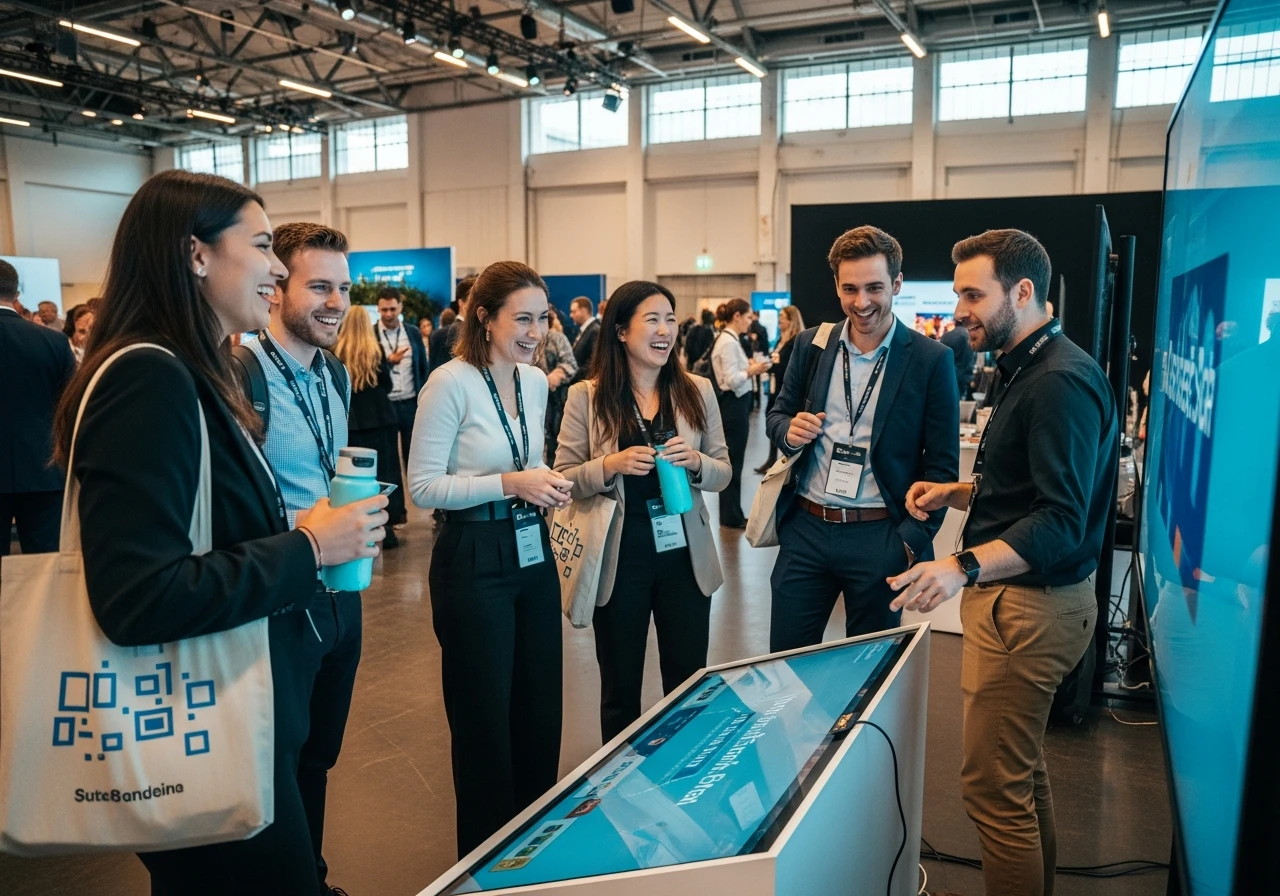
In an era where digital noise has reached its peak, brands' quest to forge genuine connections with consumers is more critical than ever. At the heart of this quest lies experience marketing. However, the old playbook—defined by massive festivals, flashy product launches, and fleeting, Instagram-ready moments—is no longer sufficient. The industry is evolving towards something deeper, more meaningful, and more lasting. This transformation isn't just a tactical shift; it represents a strategic mindset change that redefines the fundamental relationship brands have with their target audiences. Success is no longer measured by the size of the crowd, but by the depth of the connection forged. So, what fundamental shifts does this new rulebook hold for brands looking to thrive in the future?
1. From Macro to Micro: Mass Engagement to Boutique Experiences
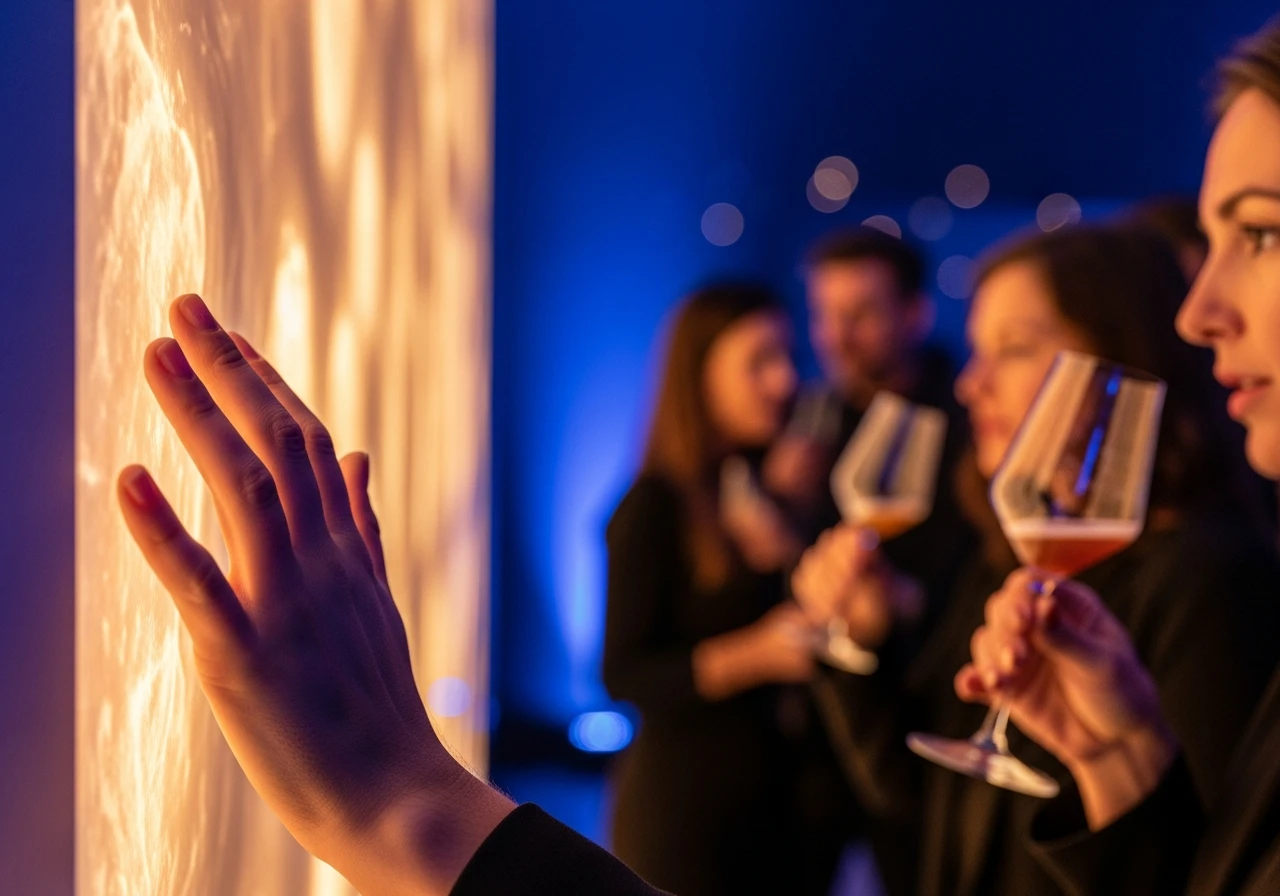
The era of offering "something for everyone" is closing. The future of experience strategy focuses on delivering intimate, boutique experiences tailored specifically for the right individuals, rather than reaching thousands. Instead of sponsoring a large concert, a private workshop reflecting the brand's DNA, a chef's table tasting event, or an exclusive talk for a specific community can create a much more powerful impact. These micro-experiences make participants feel special and forge a personal memory with the brand. This strategy, long adopted by luxury brands, is now being embraced by technology and lifestyle brands alike. Deep connections built with a select few are far more valuable and build more lasting brand loyalty than superficial interactions with a crowd of thousands.
2. From Moment to Ongoing Dialogue: One-Off Events to Continuous Journeys
The most successful experiences are not isolated events with a beginning and an end; they are part of an ongoing dialogue between the brand and the consumer. The anticipation created before an event, the interaction during the event, and the continued communication afterward transform the experience from a single moment into a journey. Spotify's annual "Wrapped" experience is one of the brightest examples of this. The platform collects user data throughout the year, transforming it into a personalized "year in review" experience that creates one of the most anticipated moments of the year for millions. Similarly, Nike's Run Club app and its local running events create an ecosystem that makes the brand a continuous part of the user's lifestyle, extending beyond a one-time purchase.
3. From Passive Spectator to Active Participant: The Co-creation Revolution
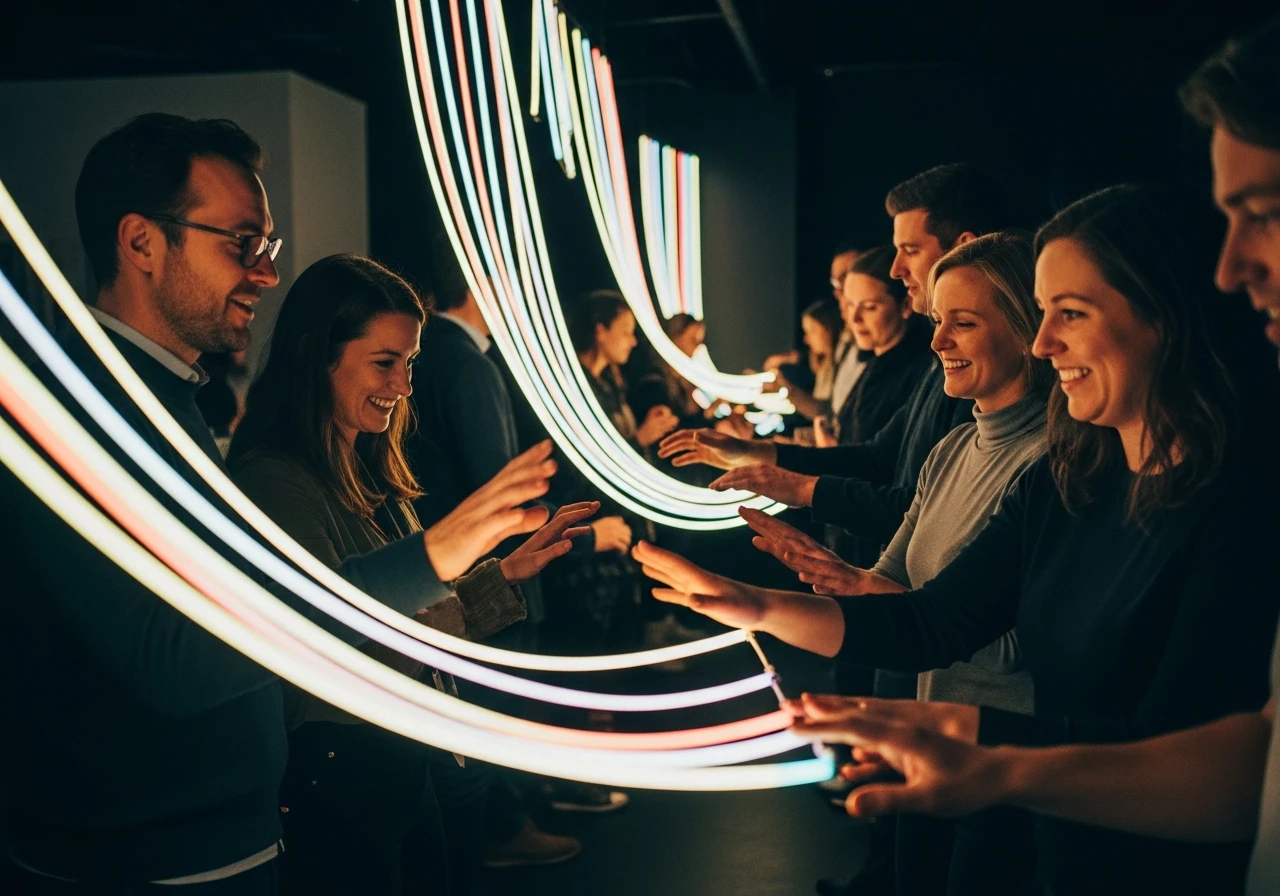
The new generation of consumers doesn't want to passively listen to a brand's story; they want to be part of it, to shape it. For this reason, experience marketing is increasingly shifting towards a "co-creation" model. Instead of reserving the stage entirely for themselves, brands are now offering participants the opportunity to create their own content, personalize the experience, and even influence the flow of an event. Interactive installations at major festivals like SXSW and Cannes Lions, artworks shaped by participant data, or pop-up stores where users can design their own products are concrete examples of this trend. When a participant moves from being a spectator to a creator of the experience, their connection with the brand elevates to a level of ownership.
4. From Metrics to Meaning: Measuring the Emotional Value of Data
Measuring the return on investment (ROI) of experience marketing has been one of the industry's biggest challenges. Traditional metrics (number of attendees, social media shares, etc.) only show a small part of the picture. Successful brands of the future will move beyond quantitative data to focus on measuring the emotional impact and behavioral change created by an experience. AI-powered sentiment analysis tools, in-depth post-event surveys, and long-term brand perception tracking are methods that make it possible to understand how deeply an experience resonates in the minds and hearts of participants. The success of Coca-Cola's "Share a Coke" campaign was measured not just by the number of bottles sold, but by the personal joy people felt when finding their names and their desire to share that moment. Using data not just to answer "how many people came?" but to understand "how did people feel, and how did that feeling change them?" will form the foundation of experience strategy.
In conclusion, the future of experience marketing is built on less noise and more meaning. Brands can make a real difference by moving away from mass, one-off shows and designing smaller, more intimate, continuous, and participant-centric experiences. These four strategic shifts define the new rules of the game, enabling brands not only to capture attention but also to build a loyal community and remain relevant in the future.
If you'd like to implement these trends for your brand and design an unforgettable experience, contact us.
Get a Quote for Your Project
Contact us for experiences that will make your events unforgettable.